
عینک خاص


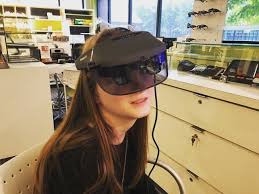
عینکها از جمله وسایل و لوازمی هستند که از زمان اختراعشان تاکنون کاربردهای فراوانی در زندگی انسانها داشتهاند. در طول تاریخ، عینکها با اهداف مختلفی از جمله بهبود دید، محافظت از چشم، و حتی به عنوان یک وسیله زینتی مورد استفاده قرار گرفتهاند. عینکهای خاص، به دلیل ویژگیها و طراحیهای منحصربهفرد خود، همواره توجه بسیاری از افراد را به خود جلب کردهاند. در این مقاله، به بررسی ویژگیها، تاریخچه، کاربردها و اهمیت عینکهای خاص میپردازیم و دلایل محبوبیت آنها در دنیای امروز را مورد بحث قرار خواهیم داد.
تعریف عینک خاص
عینک خاص
عینک خاص به دستهای از عینکها گفته میشود که به دلیل طراحی منحصربهفرد، استفاده از مواد خاص، یا داشتن قابلیتهایی فراتر از عینکهای معمولی، از دیگر عینکها متمایز میشوند. این عینکها میتوانند شامل عینکهای طبی، آفتابی، یا حتی عینکهایی با فناوریهای پیشرفته مانند عینکهای هوشمند باشند. برخی از این عینکها برای اهداف درمانی یا پزشکی طراحی شدهاند، در حالی که برخی دیگر تنها برای زیبایی و مد مورد استفاده قرار میگیرند.
تاریخچه عینک
عینک خاص
تاریخچه عینک به قرن سیزدهم میلادی بازمیگردد، زمانی که اولین نمونههای عینکهای اصلاحکننده دید در اروپا ساخته شدند. این عینکها در ابتدا بسیار ساده بودند و تنها شامل عدسیهایی بودند که روی چشم قرار میگرفتند. با گذشت زمان و پیشرفت فناوری، طراحی و عملکرد عینکها بهبود یافت. در قرون بعد، استفاده از عینک به عنوان یک وسیله زینتی نیز رایج شد. در قرن بیستم و بیستویکم، فناوریهای پیشرفته به تولید عینکهای خاص و منحصربهفرد منجر شدند که نه تنها نیازهای بصری را برآورده میکنند، بلکه جنبههای دیگری از زندگی انسانها را نیز بهبود میبخشند.
ویژگیهای عینکهای خاص
عینکهای خاص معمولاً دارای ویژگیهایی هستند که آنها را از عینکهای معمولی متمایز میکند. این ویژگیها عبارتاند از:
- طراحی منحصربهفرد: بسیاری از عینکهای خاص دارای طراحیهای خاصی هستند که باعث میشود به چشم بیایند. این طراحیها ممکن است شامل قابهای منحصربهفرد، رنگهای جذاب، یا شکلهای غیرمعمول باشند.
- استفاده از مواد خاص: برخی از عینکهای خاص از مواد نادر یا با کیفیت بالا ساخته میشوند. برای مثال، قابهایی از جنس تیتانیوم، طلا، یا چوبهای خاص ممکن است در ساخت این عینکها استفاده شوند.
- قابلیتهای پیشرفته: برخی از عینکهای خاص دارای قابلیتهایی فراتر از عینکهای معمولی هستند. به عنوان مثال، عینکهای هوشمند میتوانند اطلاعاتی مانند زمان، پیامها، یا مسیرهای راهیابی را به کاربر نمایش دهند.
- استفادههای چندمنظوره: برخی از عینکهای خاص به گونهای طراحی شدهاند که بتوانند چندین هدف را همزمان برآورده کنند. برای مثال، عینکهایی که هم برای اصلاح دید و هم برای محافظت از چشم در برابر اشعههای مضر آفتاب مناسب هستند.
انواع عینکهای خاص
عینک خاص
عینکهای خاص به انواع مختلفی تقسیم میشوند که هر کدام برای کاربردهای خاصی طراحی شدهاند. برخی از انواع رایج عبارتاند از:
- عینکهای هوشمند: این عینکها با استفاده از فناوریهای پیشرفته مانند واقعیت افزوده یا هوش مصنوعی طراحی شدهاند. آنها میتوانند اطلاعات مختلفی را به کاربر نمایش دهند یا قابلیتهای ارتباطی مانند اتصال به اینترنت و پاسخ به تماسها را فراهم کنند.
- عینکهای ورزشی: این عینکها به گونهای طراحی شدهاند که در شرایط ورزشی خاص مانند دوچرخهسواری، اسکی، یا کوهنوردی عملکرد بهتری ارائه دهند. آنها معمولاً دارای لنزهایی مقاوم و قابهایی سبک و مستحکم هستند.
- عینکهای زینتی و مد: این عینکها بیشتر برای اهداف زیبایی و تکمیل استایل فرد طراحی میشوند و ممکن است از مواد گرانقیمت یا طراحیهای خاص برخوردار باشند.
- عینکهای پزشکی و درمانی: برخی از عینکها برای کمک به درمان بیماریهای خاص یا بهبود شرایط پزشکی طراحی شدهاند. برای مثال، عینکهایی که به کاهش فشار چشم کمک میکنند یا برای درمان تنبلی چشم استفاده میشوند.
کاربردهای عینکهای خاص
عینک خاص
عینکهای خاص به دلیل ویژگیها و قابلیتهای منحصربهفرد خود در بسیاری از زمینهها کاربرد دارند. برخی از کاربردهای اصلی آنها عبارتاند از:
- بهبود عملکرد بصری: بسیاری از عینکهای خاص برای افرادی طراحی شدهاند که مشکلات بینایی دارند. این عینکها میتوانند به اصلاح دید کمک کنند و کیفیت زندگی افراد را بهبود بخشند.
- محافظت از چشم: عینکهای خاص معمولاً دارای لنزهایی هستند که از چشم در برابر اشعههای مضر، گرد و غبار، یا نورهای شدید محافظت میکنند.
- افزایش راحتی: طراحیهای ارگونومیک و استفاده از مواد سبک در برخی از عینکهای خاص باعث میشود که استفاده از آنها راحتتر باشد.
- پیشرفت در فناوری: عینکهای خاصی که از فناوریهای نوین استفاده میکنند، میتوانند تجربه جدیدی از دید و تعامل با محیط را برای کاربران فراهم کنند.
تأثیر عینکهای خاص بر مد و فرهنگ
عینک خاص
عینکهای خاص در دنیای مد و فرهنگ نیز جایگاه ویژهای دارند. بسیاری از طراحان مد از عینک به عنوان یک عنصر کلیدی در استایل استفاده میکنند. عینکهای خاص نه تنها برای بهبود عملکرد بصری، بلکه به عنوان نمادی از شخصیت، سبک زندگی، و سلیقه فردی شناخته میشوند. برندهای معتبر جهانی مانند ریبن، گوچی، و پرادا از جمله برندهایی هستند که در طراحی و تولید عینکهای خاص پیشرو هستند.
جمعبندی
عینک خاص
عینکهای خاص به دلیل ویژگیها، کاربردها و طراحیهای منحصربهفرد خود، نقش مهمی در زندگی انسانها ایفا میکنند. این عینکها نه تنها نیازهای بصری را برآورده میکنند، بلکه در بهبود کیفیت زندگی، حفاظت از چشم، و حتی در عرصه مد و استایل نیز تأثیرگذار هستند. با پیشرفت فناوری و تغییر نیازهای جامعه، انتظار میرود که در آینده شاهد تولید عینکهای خاصتر و پیشرفتهتر باشیم که بتوانند نیازهای متنوعتری را پوشش دهند.
Unique Eyewear: A Comprehensive Exploration
عینک خاص
Eyewear has long been a crucial accessory in human history, serving various purposes ranging from improving vision to enhancing style. Among the wide variety of glasses available today, “unique eyewear” stands out as a distinct category that goes beyond conventional designs and functionalities. These glasses often boast extraordinary designs, innovative materials, or cutting-edge technologies, making them a statement piece and a functional tool. This article delves into the history, features, categories, cultural impact, and future of unique eyewear, highlighting why they hold a special place in fashion and technology.
The History of Eyewear
عینک خاص
Eyewear dates back centuries, with the earliest known examples appearing in ancient civilizations. The Roman philosopher Seneca reportedly used a glass globe filled with water to magnify text in the 1st century AD. However, the first true wearable eyeglasses were invented in Italy during the 13th century.
These early spectacles, made of simple convex lenses, were used to correct farsightedness. Over the centuries, eyeglasses evolved in design and material, with significant milestones including the invention of bifocals by Benjamin Franklin in the 18th century and the development of lightweight plastic lenses in the 20th century.
As eyewear became more accessible, it also began to take on a dual role: improving vision and serving as a fashion accessory. By the late 19th and early 20th centuries, glasses were no longer just functional but also a symbol of style, leading to the rise of unique and personalized designs.
What Defines Unique Eyewear?
Unique eyewear is characterized by its standout features, which may include:
- Innovative Designs: Unconventional shapes, bold colors, or intricate patterns often define unique eyewear. These designs may challenge traditional norms, offering frames that are asymmetrical, oversized, or inspired by art and architecture.
- Premium Materials: Unique eyewear frequently incorporates high-quality or rare materials, such as titanium, acetate, wood, or even precious metals and gemstones. These materials enhance durability, comfort, and aesthetic appeal.
- Technological Integration: Advanced eyewear integrates modern technology, such as augmented reality (AR), virtual reality (VR), or smart features like health tracking and connectivity. Examples include smart glasses by tech giants like Google and Apple.
- Limited Editions: Some unique eyewear pieces are produced in limited quantities, adding exclusivity and making them collectible items.
- Customization: Personalized eyewear tailored to individual preferences, such as custom frame shapes or engraved details, further distinguishes unique glasses.
Categories of Unique Eyewear
Unique eyewear spans various categories, catering to diverse needs and tastes.
۱. Fashion-Forward Eyewear
Fashion designers and luxury brands often create statement eyewear pieces that push the boundaries of design. These glasses serve as a bold accessory, complementing high-end outfits and making a style statement.
- Iconic Examples:
- Cat-eye frames popularized in the 1950s.
- Oversized geometric frames favored by celebrities.
- Futuristic designs with metallic accents.
۲. Eco-Friendly Eyewear
With sustainability becoming a global concern, eco-friendly eyewear has gained popularity. These glasses are made from sustainable materials like recycled plastics, bamboo, or biodegradable acetate.
- Key Features:
- Minimal environmental impact.
- Often handmade to reduce industrial waste.
۳. Tech-Integrated Eyewear
The rise of wearable technology has revolutionized the eyewear industry. Smart glasses combine traditional functionality with advanced features like:
- Augmented reality displays.
- Built-in cameras and microphones.
- Health monitoring sensors.
- Examples:
- Google Glass: Pioneering AR glasses.
- Ray-Ban Stories: Sunglasses with integrated cameras.
۴. Vintage and Retro Eyewear
Vintage-inspired eyewear draws from the aesthetics of past decades. These designs often evoke nostalgia and are crafted to mimic iconic styles.
- Popular Styles:
- Round metal frames from the 1920s.
- Aviators from the 1930s and 1940s.
- Bold acetate frames from the 1980s.
۵. Luxury Eyewear
Luxury eyewear brands like Cartier, Gucci, and Chanel create pieces that blend artistic craftsmanship with opulence. These glasses may feature embellishments like diamonds, gold plating, or intricate engravings.
The Role of Unique Eyewear in Fashion and Culture
Unique eyewear is more than just a tool for vision correction or eye protection—it is a cultural phenomenon. It plays a pivotal role in personal expression, fashion trends, and even societal perceptions.
۱. Personal Identity
Eyewear is often viewed as an extension of one’s personality. A pair of bold, unique frames can signal confidence, creativity, or a penchant for luxury.
۲. Cultural Significance
In many cultures, glasses are a status symbol. Luxury brands cater to this demand, creating exclusive collections that appeal to affluent customers.
۳. Celebrity Influence
Celebrities and influencers often set trends in eyewear. Iconic figures like Elton John and Lady Gaga are known for their extravagant glasses, which inspire fans and designers alike.
۴. Fashion Shows and Runways
High-fashion eyewear is a staple on runways, where designers showcase their creativity and redefine trends. These unique pieces often trickle down to mainstream fashion.
The Technological Revolution in Unique Eyewear
Technology has opened new horizons for eyewear innovation. Some of the most groundbreaking advancements include:
۱. Augmented Reality (AR) Glasses
AR glasses overlay digital information onto the real world, enabling hands-free navigation, gaming, and even remote collaboration.
۲. Smart Health Monitoring
Some glasses now come equipped with sensors that track vital signs like heart rate, UV exposure, and sleep patterns, contributing to overall wellness.
۳. Customizable Lenses
Adaptive lenses that adjust to lighting conditions or prescription needs have become a hallmark of technologically advanced eyewear.
۴. Virtual Try-On Technology
Virtual reality has revolutionized how customers shop for eyewear, allowing them to try on glasses online through augmented reality apps.
Challenges in the Unique Eyewear Market
Despite their appeal, unique eyewear faces challenges that manufacturers and designers must navigate:
- High Costs: The use of premium materials and advanced technologies often makes these glasses expensive, limiting their accessibility.
- Durability Concerns: Some intricate designs or materials may compromise durability.
- Adoption Barriers: For tech-integrated eyewear, concerns about privacy and usability can hinder adoption.
The Future of Unique Eyewear
The future of unique eyewear looks promising, with ongoing advancements in materials, technology, and design. Some anticipated trends include:
- Sustainable Innovations: Biodegradable and renewable materials will become more prevalent, reducing the environmental impact of eyewear production.
- Enhanced Smart Features: Integration with AI and IoT (Internet of Things) will make smart glasses more functional and intuitive.
- Personalized Experiences: Advances in 3D printing and digital modeling will allow for hyper-customized designs tailored to individual preferences and needs.
- Accessibility: As technologies mature, costs may decrease, making unique eyewear more accessible to a broader audience.
Conclusion
Unique eyewear represents the intersection of functionality, fashion, and innovation. Whether crafted for aesthetic appeal, technological advancement, or environmental sustainability, these glasses redefine what eyewear can be. As the industry evolves, unique eyewear will undoubtedly continue to captivate and inspire, solidifying its role as both a practical necessity and an art form.